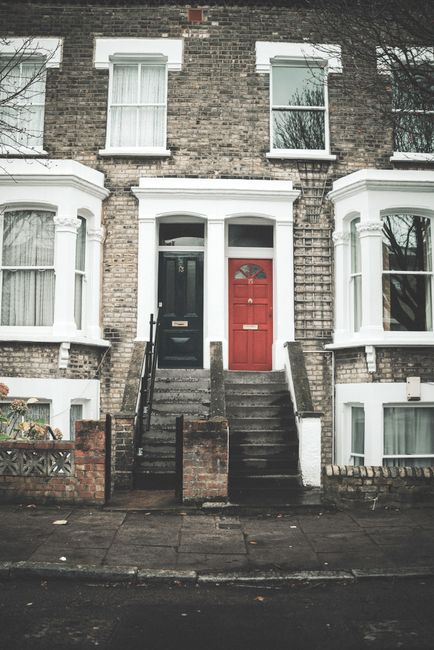
Clapham Common Removals Guide for Narrow Stair Flats
Moving out of a narrow stair flat near Clapham Common can feel like a game of Tetris with heavier consequences. Tight bends, steep stairs, awkward landings, low bannisters, and neighbours who would really like the hallway to stay clear - it all adds up fast. This Clapham Common removals guide for narrow stair flats is here to help you plan a safer, calmer move without the usual last-minute panic.
Whether you are leaving a Victorian conversion off the Common, a top-floor flat over a parade of shops, or a compact apartment with barely enough room to swing a suitcase, the same rule applies: the move needs to be planned around the building, not the other way around. In the sections below, you will find practical steps, common mistakes, expert tips, and a realistic breakdown of the options that actually work in tight spaces.
If you want extra support for the move itself, it can help to look at services such as home moves, man and van, or packing and unpacking services depending on how much you want handled for you.
Table of Contents
- Why narrow stair flats near Clapham Common need a different approach
- How the moving process works in practice
- Key benefits and practical advantages
- Who this is for and when it makes sense
- Step-by-step guidance for a smooth move
- Expert tips for better results
- Common mistakes to avoid
- Tools, resources and recommendations
- Law, compliance, standards and best practice
- Options, methods, and comparison table
- Case study or real-world example
- Practical checklist
- Conclusion
- Frequently asked questions
Why Clapham Common removals guide for narrow stair flats Matters
Narrow stair flats are a different kind of move altogether. A sofa that would pass through a normal hallway can become a real problem once you add sharp turns, narrow treads, an old banister, or a landing that seems to have been designed by someone with no furniture at all. Around Clapham Common, you also see a mix of period buildings and refurbished flats, and that variety means there is rarely a one-size-fits-all moving plan.
The reason this matters is simple: most moving delays in these properties are caused by access, not distance. You may be moving only a few streets away, but if the staircase is too tight for a wardrobe to rotate, the whole schedule can slip. And once one item blocks the stairwell, everything slows down. Neighbours notice. Parking windows close. Stress climbs. It is a bit of a domino effect, to be fair.
A good plan reduces risk to your furniture, the building, and your own back. It also helps you decide early whether a compact crew, a larger vehicle, or a mixture of disassembly and careful packing is the smartest route. If you are choosing between moving methods, the difference can be enormous in a flat with tight internal access.
Expert summary: In narrow stair flats, the move is won before moving day. Measure the access, reduce bulky items, and choose a method that matches the stairwell rather than the other way around.
How Clapham Common removals guide for narrow stair flats Works
The moving process for a tight-stair flat starts with access, not boxes. First, the mover or homeowner checks the staircase, landing sizes, door widths, and any awkward features such as radiator placement, low ceilings, glass panels, or a handrail that steals a few crucial centimetres. Then the furniture list is matched against those measurements. Simple idea. Very useful in practice.
Once the access picture is clear, the move is usually split into smaller stages: prepare, protect, dismantle where needed, carry down safely, load efficiently, transport, and unload in the right order at the new property. In compact London moves, the order of operations matters more than people expect. Put the big, awkward pieces first and you can waste time. Put them last and you may end up boxing yourself in. Nobody needs that at 8:30 on a wet weekday morning.
For many households, a mixed approach works best. Some items can go out assembled, while others should be broken down in advance. A modular bed frame, for example, is often far easier than a heavy one-piece headboard. Likewise, a chest of drawers may need to be emptied and wrapped before it can safely move down a staircase. If you need a vehicle that suits this kind of job, a moving truck or removal truck hire may suit larger volumes, while lighter loads may be better served by a man with van style move.
Key Benefits and Practical Advantages
When a move is planned properly for a narrow stair flat, the benefits are immediate and easy to feel. The day stays calmer. Furniture is less likely to get chipped. Walls and banisters are less likely to be marked. And, crucially, the whole job usually finishes faster because you are not improvising every five minutes.
- Less risk of damage: careful planning reduces knocks, scrapes, and crushed corners.
- Better use of time: if items are pre-measured and prepared, there is less guessing on the day.
- Safer lifting: small landings and tight turns are where injuries happen if people rush.
- Less neighbour disruption: quicker, tidier moves are easier to manage in shared buildings.
- Smarter transport choices: you can match vehicle size and team size to the job rather than overpaying or under-preparing.
There is also a quiet mental benefit. Narrow stair moves are the sort of thing that can get under your skin if you keep imagining the worst. A decent plan brings the problem back down to earth. You still have to do the move, yes, but the move is no longer a mystery.
For larger homes or more complex household contents, it can also be worth comparing a specialist house removalists service with a smaller van-based solution. Sometimes the best choice is not the biggest team. It is the best-matched team.
Who This Is For and When It Makes Sense
This guide is for anyone moving from a flat where the stairs are the main challenge. That could mean a top-floor one-bed with a tight staircase, a split-level apartment with a narrow corridor, or a period conversion where the furniture has to make a turn halfway up the stairs. If you have ever stood with a mattress on a landing and thought, "well, this is awkward," you are in the right place.
It makes sense if you are:
- moving out of a Clapham Common flat with limited internal access
- trying to keep the move low-stress and reasonably priced
- unsure whether to dismantle furniture before moving day
- dealing with shared entrances or thin stairwells in an older building
- trying to avoid damage to walls, woodwork, or furniture
It also makes sense for landlords, letting agents, and property managers who want fewer surprises on move day. A well-prepared move is easier for everyone in the building. That sounds obvious, but in real life it is often the bit that gets skipped.
If your move includes multiple bulky items, you may want to combine a smaller crew with packing and unpacking services so the stairwell is not clogged with half-open boxes and loose screws. Nobody enjoys a corridor full of mystery parts.
Step-by-Step Guidance
Here is the practical route we recommend for narrow stair flat moves near Clapham Common. Keep it simple, keep it measured, and do not leave the awkward bits for the morning of the move.
- Measure everything properly. Check the width of the stairs, turning points, landings, door frames, and the largest items of furniture. Write the numbers down.
- Identify problem pieces early. Sofas, beds, wardrobes, desks, mirrors, and washing machines are common troublemakers.
- Dismantle what can be safely dismantled. Remove legs, shelves, drawers, headboards, and doors where appropriate. Keep the fixings in labelled bags.
- Declutter before packing. If you do not need it, do not carry it down three flights of stairs.
- Protect the building. Use covers or padding where needed, especially on bannisters, corners, and painted walls.
- Prepare a loading route. Decide where boxes will wait, where the vehicle will park, and how the crew will move items without blocking the staircase.
- Pack by weight and fragility. Heavy items go into smaller boxes. Fragile items need padding, not optimism.
- Load in a sensible order. Put the bulkiest and most awkward items on the vehicle first if they are leaving the flat first.
- Do a final walk-through. Check cupboards, loft spaces, windowsills, and behind doors. You would be surprised what gets left behind.
A small but important note: if parking is tricky near your building, sort that out before moving day. Even a perfect packing plan can wobble if the van ends up two streets away and the team has to shuttle boxes in the rain. Not ideal.
Expert Tips for Better Results
There are a few habits that make narrow stair moves noticeably easier. None of them are flashy. Most are just the kind of sensible things experienced movers do without thinking too hard.
Tip 1: remove the human bottleneck. If only one person can safely carry a piece down the stairs, plan for that. Do not force a two-person lift where the landing barely fits one person and the item itself. That is how banisters lose arguments.
Tip 2: keep the stairwell clear. A narrow staircase is not a storage area. Keep bags, coats, shoes, and loose packing materials elsewhere so people can move without tripping.
Tip 3: protect corners before moving the big pieces. It sounds small, but one scuffed wall can sour the whole day. A little padding goes a long way.
Tip 4: photograph awkward furniture before dismantling. This helps when rebuilding beds, tables, and shelving later. You will thank yourself later, probably while holding a screw that looks oddly familiar.
Tip 5: use the right moving size. A larger vehicle is not automatically better. For some flats, a smaller, more manoeuvrable setup is safer and quicker, especially on residential streets where parking is tight.
Tip 6: finish packing early. The last hour before departure should be about checks, not frantic tape-repair. That last hour is often a blur anyway; better to keep it controlled.
For more context on what a service provider should take seriously, it is worth looking at their insurance and safety approach and health and safety policy. If you are comparing companies, these details matter. Quite a lot.
Common Mistakes to Avoid
The same problems come up again and again with narrow stair flat moves. Once you know them, they are easier to avoid.
- Leaving measuring until moving day: this is the big one. Guessing rarely helps.
- Forgetting to empty furniture: a heavy drawer unit becomes much harder to carry when it is still full.
- Trying to force oversized items through tight corners: if it does not fit, stop and reassess instead of pushing harder.
- Packing boxes too heavy: strong tape is not magic. Smaller boxes are safer on stairs.
- Not checking parking or access: one blocked space can cause a lot of unnecessary stress.
- Skipping protective wrapping: walls, frames, and tabletops pay the price later.
- Ignoring neighbour impact: stairs, lifts, and shared entryways are shared for a reason.
One less obvious mistake is underestimating fatigue. A narrow stair move looks manageable at the start and then suddenly, two flights in, everyone is breathing a bit harder than planned. That is normal. Build in time to rest safely. Rush is where the accidents live.
Tools, Resources and Recommendations
You do not need a warehouse of specialist gear, but a few tools genuinely help. These are the bits that make the work smoother, cleaner, and less dramatic.
| Tool or Resource | Why it helps | Best for |
|---|---|---|
| Measuring tape | Checks whether large furniture will fit through stairs and doors | Planning access before the move |
| Furniture blankets or covers | Protects corners, paintwork, and polished surfaces | Large or valuable items |
| Removal straps | Improves grip and control on heavier items | Shared lifting on narrow stairs |
| Labelled bags for fixings | Keeps screws and fittings from disappearing into a black hole | Dismantled beds, tables, shelves |
| Strong tape and marker pen | Makes boxes clearer to load and unload | Packing and room sorting |
| Small, sturdy boxes | Safer to carry on stairs than oversized, overfilled boxes | Books, crockery, heavy items |
If you are moving a mixed load or you simply do not want to hire more van space than you need, a flexible option such as man with van can be a good fit. For moves with multiple bulky pieces, a larger vehicle from moving truck or removal truck hire may be more practical.
And if your move includes items you no longer want, a separate furniture pick up option can help reduce clutter before the big day. That alone can make narrow stairs much less chaotic.
Law, Compliance, Standards and Best Practice
For a domestic flat move, the main compliance issues are usually practical rather than highly technical. You are generally thinking about safe lifting, access, building rules, parking permissions where relevant, and respecting shared spaces. If you are moving from a managed building or a block with a residents' agreement, check any move-in or move-out instructions in advance. Those rules are often simple, but they can save a lot of friction.
It is also sensible to use movers who follow normal UK expectations for care, safety, and insurance. That does not mean every move needs a textbook risk assessment, but it does mean the team should think ahead about trip hazards, manual handling, and damage prevention. In a narrow stair flat, best practice is usually common sense done properly.
If you are comparing providers, ask about:
- how they handle heavy or awkward items on stairs
- whether they protect walls, bannisters, and floors
- what happens if furniture needs to be dismantled
- how they manage claims or concerns if something goes wrong
- whether their payment process is clear and secure
It can also be helpful to review a company's payment and security information and their terms and conditions so there are no surprises later. That is not over-cautious; it is just good housekeeping.
Options, Methods, and Comparison Table
There is more than one way to handle a narrow stair flat move. The best method depends on how much you own, how tight the access is, and how much help you want on the day.
| Move type | Best for | Strengths | Trade-offs |
|---|---|---|---|
| Small van move | One-bed flats, light loads, minimal furniture | Flexible, often easier to park, good for quick local moves | Less space for bulky items |
| Man and van | Compact moves with a handful of larger items | Simple, practical, often cost-effective | May need careful planning for stairs and loading |
| Full house removal team | Larger flats or homes with more furniture | More manpower, more support, less lifting for you | Can be more than you need for a small flat |
| Truck hire | Heavier loads or multiple bulky items | Greater capacity, better for staged loading | Not always the easiest option on tight streets |
For many Clapham Common stair-flat moves, the sweet spot is a small but organised setup rather than a huge team. Truth be told, the biggest vehicle on the street is not always the smartest choice. If your furniture mostly comes apart cleanly and you are moving locally, a leaner setup can feel much easier on the day.
Case Study or Real-World Example
Picture a two-bed flat just off Clapham Common with a narrow staircase and a landing that turns sharply halfway up. The residents had a double bed, a desk, a sofa, two bookcases, and the usual selection of boxes that somehow multiply when you stop looking at them.
The first thing done was a pre-move check. The desk legs were removed, the bed frame was dismantled, and the bookcases were emptied. The sofa was measured against the stairwell and, after a quick test of angles, it became clear that moving it upright would be easier than trying to tilt it sideways. A small wrap of protection went around the handrail corners. Nothing fancy. Just careful.
On the day, the stairwell stayed clear, the loading route was agreed in advance, and the larger items came out first. That meant the crew did not end up carrying awkward pieces past stacks of half-packed boxes. The move still took effort - of course it did - but the pace stayed steady, and there was no mid-day scramble to unscrew a bed at the bottom of the stairs. Which, let's be honest, is the sort of thing that can ruin a morning.
The lesson is simple: with narrow stair flats, the move feels much easier when the difficult items are identified early and the plan is built around them.
Practical Checklist
Use this checklist before moving day. It is the kind of list that saves you from those "oh no, we forgot that" moments.
- Measure the staircase, landings, and door frames.
- List every large item and mark which ones need dismantling.
- Empty drawers, cupboards, and shelves.
- Label boxes by room and weight.
- Set aside tools, screws, and fixings in clearly labelled bags.
- Confirm parking or loading access.
- Protect walls, banisters, and corners where needed.
- Keep stairs and hallways free from clutter.
- Book the right size of vehicle and team.
- Check whether anything needs disposal or separate collection.
- Prepare essentials for first-night use so you are not hunting for a kettle at 11 p.m.
If you are sorting out leftover items, recycling, or unwanted furniture, a responsible approach to recycling and sustainability can help keep the move tidy and reduce waste. That matters more than people think, especially when a flat move produces a surprising mountain of packaging.
Conclusion
A narrow stair flat move near Clapham Common does not have to be chaotic. Once you measure the access, reduce bulky items, and choose the right support, the whole process becomes far more manageable. Small planning decisions make a huge difference here. Really, they do.
The main thing is not to fight the staircase. Work with it. Move the right items, in the right order, with the right people and the right equipment. That is how you keep the day calmer, protect your belongings, and avoid the classic last-minute scramble that nobody wants.
Get a free quote today and see how much you can save.
If you would like to learn more about the company behind these services, you can also visit the about us page or get in touch through the site's contact options when you are ready.
Frequently Asked Questions
What makes a narrow stair flat move more difficult than a normal house move?
The main issue is access. Tight stairs, awkward turns, and small landings make large furniture harder to carry and increase the risk of damage. The move may be short, but the access can be the real challenge.
Should I dismantle furniture before moving day?
Yes, where it is safe and practical to do so. Beds, shelving, and some tables often move much better once dismantled. Just keep all screws and fixings together in labelled bags.
Is a man and van service enough for a Clapham Common flat move?
Often, yes - if the load is moderate and the larger items can be managed through the stairwell. For smaller local moves, a man and van setup can be a sensible choice.
How do I know if my sofa will fit down the stairs?
Measure the sofa at its widest points and compare that with stair width, landing space, and turning room. If the sofa can be tilted, rotated, or partially dismantled, that can make all the difference.
What should I do if the stairwell is very tight?
Start by emptying and dismantling anything possible. Then protect the building, clear the route, and choose a moving method that gives you enough control and lifting support. If in doubt, keep the load smaller rather than forcing a risky move.
How early should I book removal help for a flat near Clapham Common?
As early as you can once you have a confirmed moving date. That gives you time to measure access, plan parking, and prepare items properly. Early planning usually makes the day feel much less rushed.
Can I combine furniture disposal with my move?
Yes, and it is often a smart idea. Removing unwanted items before the move can save space and reduce stair traffic. A separate furniture clearance or pick-up option may be useful for that.
Do I need to worry about building rules or neighbours?
In many shared buildings, yes. It is wise to check any move-out instructions, keep common areas tidy, and avoid blocking the stairwell for long periods. A little courtesy goes a long way in flats.
What packing mistakes cause the most problems on stairs?
Overfilled boxes, unlabelled fragile items, and loose parts from dismantled furniture are the big ones. Smaller, well-packed boxes are much easier and safer to carry than one heroic box full of books.
Is insurance important for a stair-flat move?
Absolutely. Narrow stair moves can involve extra risk to furniture and property, so it is sensible to understand what cover is in place and how any issues would be handled. Check the mover's insurance and safety information before you commit.
What is the best type of vehicle for a narrow stair flat move?
That depends on the size of your load and the street access. A smaller, more manoeuvrable vehicle can be ideal for compact local moves, while a larger truck suits bulkier contents. The key is fit, not just capacity.
How can I make moving day less stressful overall?
Measure early, pack early, label clearly, and keep the stair route free. Simple as that, really. Small wins stack up fast on a day like this, and they make a genuine difference when the first box comes down the stairs.