Hampstead Terrace Move: Narrow Stairs, No Damage
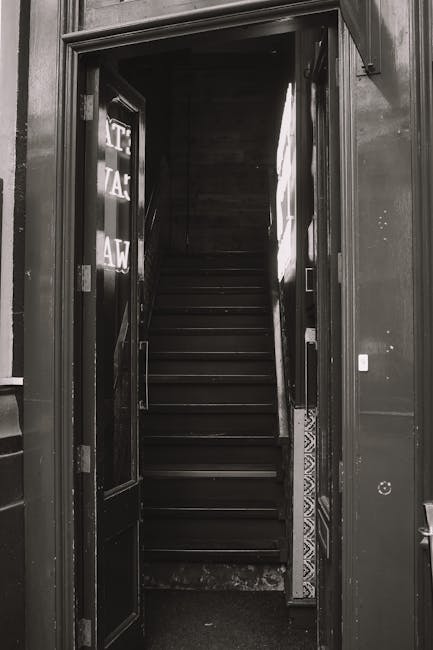
If you are facing a move in Hampstead Terrace, chances are the stairs are the part that keeps you awake at night. Tight turns, narrow landings, an awkward banister, maybe a heavy wardrobe that suddenly feels twice as wide as it looked in the hallway. A Hampstead Terrace Move: Narrow Stairs, No Damage approach is exactly about handling those real-world headaches without scraping walls, denting furniture, or creating that sinking feeling when a chip appears in the plaster.
This guide breaks down how a careful terrace move works, why it matters, and what actually makes the difference on moving day. You will get a practical step-by-step approach, common mistakes to avoid, a useful checklist, and a realistic example of how narrow-stair moves are usually managed in older London homes. To be fair, it is not glamorous work. But done properly, it saves stress, time, and repair costs. And that is the bit people remember.
Why Hampstead Terrace Move: Narrow Stairs, No Damage Matters
Terraced homes, especially older London properties, can be lovely to live in and mildly annoying to move through. The stairs are often steeper than you expect, the width is tighter than standard modern furniture was ever designed for, and one careless corner can mark a wall in seconds. That is why a no-damage move is not just a nice extra. It is the difference between a smooth relocation and a day full of avoidable problems.
In homes like these, damage can happen in small ways that add up fast: a scuffed skirting board, a cracked picture rail, a chipped stair nose, or a wobble in a banister spindle. None of it looks dramatic at first. Then you notice it the next morning in better light. Bit of a killer, really.
For tenants, protecting the property helps avoid deposit disputes. For homeowners, it reduces repair hassle before resale or after renovation. For landlords and agents, it preserves presentation and keeps the move professional. And if you are moving valuable items like antique sideboards, mirrors, or fitted bedroom furniture, the risk goes up again.
Key takeaway: narrow stairs are not just a space problem; they are a planning problem. The move only stays damage-free when the route, the protection, the lifting method, and the crew coordination all work together.
The best terrace moves are not rushed. They are measured, checked, and adapted to the building. That is the real secret.
How Hampstead Terrace Move: Narrow Stairs, No Damage Works
A careful narrow-stair move starts before anything is lifted. The team needs to understand the route, the dimensions of the furniture, and where the pinch points are. In an older terrace, a sofa may technically fit, but only if it is angled, rotated mid-flight, and guided with someone spotting the wall corner at the landing. That kind of move is part planning, part muscle memory.
The process usually follows a simple logic:
- Survey the route. Measure stair width, ceiling height, landing depth, and turning points.
- Identify fragile surfaces. Walls, banisters, light fittings, flooring, and door frames need protection.
- Prepare the items. Remove loose parts, secure doors, wrap surfaces, and reduce bulk where possible.
- Use the right carrying method. Two-person lifts, shoulder straps, sliders, or disassembly can all help.
- Protect the property as you go. Covers, blankets, runners, and corner guards prevent contact damage.
- Move slowly through tight sections. The landing is usually the trickiest moment, not the stairs themselves.
- Check each room and each wall corner afterward. A quick inspection catches problems early.
What people often miss is that the stairs are only one part of the puzzle. The hallway, front step, entrance width, and parking position can all affect how furniture is handled. If the van is poorly positioned, the team has to carry heavier loads farther than necessary, and that is where mistakes creep in.
In practical terms, the move works best when the crew treats the property like a sequence of small obstacles rather than one big job. That mindset matters. It keeps the process calm, and calm is underrated in moving work.
Key Benefits and Practical Advantages
The obvious benefit is simple: no chips, no dents, no emergency repair bill. But there is more to it than that.
- Less risk to the building: Banisters, walls, and stair edges stay protected.
- Less risk to furniture: Tight corners and stair turns can tear upholstery or scratch polished finishes if handled badly.
- Less stress on moving day: A structured plan reduces the "how on earth is this going to fit?" feeling.
- Better time control: A well-planned route is often quicker than a rushed one with repeated stops.
- Cleaner handover: Useful for tenants leaving a property in good condition.
- Lower chance of injury: Good lifting technique and proper handling reduce strain.
There is also a softer benefit that people underestimate: confidence. Once you see a team handle a difficult stairwell carefully, the rest of the move tends to feel manageable. That matters more than people admit. Moving is already emotionally noisy; you do not need physical chaos on top of it.
If you are comparing moving support options, broader services like removals and storage can be useful when timing is awkward or the new place is not fully ready. It is not just about getting items from A to B. Sometimes it is about solving the whole moving sequence in a sensible order.
Who This Is For and When It Makes Sense
This approach is especially useful if your property has one or more of the following:
- steep or narrow stairs
- tight landings or sharp corners
- older plaster walls that mark easily
- painted banisters, which tend to show scuffs immediately
- large furniture that barely clears the staircase
- fragile items that need careful carrying
- shared entrances where courtesy and speed matter
It is also a smart choice if you are moving at a time when access is tricky. A rainy morning, a busy street, or limited parking can make everything feel tighter. And in London, let's face it, access is often half the battle.
You may not need a highly specialised approach for every move. A few boxes and small items? That is usually straightforward. But the moment you have a mattress, a wardrobe, a fridge freezer, a sofa with fixed arms, or a box of heavy books that seems harmless until you pick it up, the no-damage method becomes much more important.
People often ask whether this is only for luxury homes or big furniture. Not at all. Some of the trickiest jobs are the modest ones, because the space is tighter and the margin for error is tiny. One awkward hallway can be more difficult than a large modern staircase with room to breathe.
Step-by-Step Guidance
Here is the practical version, the bit that makes a real difference on the day.
1. Measure before you move
Do not rely on guesswork. Measure the widest part of the furniture, the stair width, the landing space, and the height at any overhead obstruction. If something looks questionable, assume it will be more awkward in motion than it is on paper. That is usually how it goes.
2. Clear the route fully
Remove shoes, mats, coat stands, loose decor, and anything else that narrows the path. Hallways in terrace homes often become storage zones without anyone noticing. Then moving day arrives and suddenly there is nowhere to stand. Funny, not funny.
3. Protect the surfaces
Use floor protection, stair covers, door-frame guards, and padded blankets where needed. The goal is not to make the house look like a construction site. The goal is to create a buffer between moving items and the property.
4. Break down what can be broken down
Table legs, bed frames, removable shelves, and loose handles can often be taken off. This reduces width and gives the team more control. A wardrobe that is impossible in one piece may be perfectly manageable once disassembled.
5. Assign the right people to the right roles
One person should lead the movement through tight spots. Another should spot walls, banisters, and door frames. Too many people giving instructions at once is not helpful. In fact, it can make the whole thing worse.
6. Lift with control, not speed
Speed has its place, but not on narrow stairs. Controlled movement, clear communication, and short pauses at landings are better than hurrying and catching a corner on the way through.
7. Check for damage as you go
Do a quick visual check after each awkward item. If a scuff appears, deal with it immediately while everyone remembers what happened. Small issues are easier to correct in the moment.
A real-world example: a dining table with a fixed top may seem easy enough, but once you reach the half-turn on the stairs, the challenge is not weight, it is geometry. That is why experienced movers spend so much time planning angles. The item is not fighting the stairs. It is negotiating with them.
Expert Tips for Better Results
Small improvements can make a big difference. Some are obvious once you hear them, but people often skip them because they sound too simple.
- Move the bulkiest items first: You get the hardest part done while energy is highest.
- Use blankets strategically: Padding should cover contact points, not just look tidy.
- Keep hands dry and grips firm: Sweat, rain, and polished wood are not friends.
- Protect corners more than flat walls: Corners catch impact first.
- Pause at the landing: It is usually the moment of greatest risk.
- Pre-wrap awkward items: Mirrors, shelving, and picture frames should not travel loose.
- Plan for the return path: Empty furniture out is one thing; bringing replacements in is another.
If you are packing yourself, use consistent labelling and avoid overfilling boxes. Heavy boxes on narrow stairs are a pain. Simple as that. A box that is too heavy is not "just one box"; it is a shoulder, a back, and a stairwell waiting for trouble.
One little human tip from experience: if you are unsure whether an item will fit, do not wait until it is already halfway up the stairs to find out. That is not a strategy. That is a lesson with a price tag.
Common Mistakes to Avoid
A lot of damage on terrace moves comes from very ordinary mistakes. Not dramatic ones. Ordinary, rushed, easily prevented mistakes.
- Skipping measurements: "It should fit" is not the same as "it will fit."
- Leaving furniture assembled too long: Big items become awkward fast.
- Ignoring the landing: The hardest turn is often not the stairs themselves.
- Using too few people: One person trying to muscle something through a tight turn is asking for trouble.
- Failing to protect banisters: Banisters are often the first thing to get scuffed.
- Dragging items instead of lifting them: Great for damage, terrible for floors.
- Overpacking boxes: Especially with books, which have a nasty habit of becoming bricks.
- Rushing at the end: People relax once the hard part is over, and that is when the last scrape happens.
There is also a planning mistake that comes up a lot: assuming the move team can improvise everything on the spot. Good movers can improvise, yes, but the better result comes from preparation. Improvisation is the backup plan, not the main one.
Tools, Resources and Recommendations
You do not need a warehouse full of kit, but the right tools make narrow-stair moves much safer and calmer.
| Tool or Resource | What It Helps With | Why It Matters |
|---|---|---|
| Padded blankets | Protecting furniture and surfaces | Reduces scratches, knocks, and corner damage |
| Floor runners | Hallways and stair protection | Helps prevent dirt transfer and scuffing |
| Corner guards | Wall and frame protection | Useful on the tightest turns |
| Furniture straps | Controlled lifting and carrying | Improves grip and balance on stairs |
| Tools for dismantling | Taking apart beds, tables, and shelving | Often the simplest way to create space |
| Labels and markers | Organisation | Makes reassembly and room placement easier |
If you are packing before the move, basic packing supplies matter more than people expect. Strong boxes, tape that actually sticks, and proper wrapping paper all reduce the chance of a box collapsing halfway down the hallway. Nobody wants a Tuesday morning avalanche of crockery, honestly.
For larger or more involved moves, support such as packing services can take pressure off the day itself. The more organised the packing, the less awkward handling you tend to need later. It is one of those quiet advantages that only becomes obvious when you are in the middle of it.
Law, Compliance, Standards, or Best Practice
For domestic moves, the main focus is usually not on a single dramatic rule but on sensible best practice, duty of care, and safe handling. In the UK, moving work should be carried out with attention to health and safety, safe lifting, and protection of property. If you are using a professional team, you would normally expect them to work carefully, communicate clearly, and take reasonable steps to avoid damage.
If the property is leasehold, rented, or managed by a landlord or agent, there may also be expectations about protecting communal areas, stairwells, and entrances. That can include keeping shared passages clear, avoiding unnecessary marks, and respecting building access arrangements. It sounds obvious, but a surprisingly large number of move-day problems come from forgetting that a staircase is not just a staircase. In some buildings, it is shared space with rules attached.
Good practice usually includes:
- using adequate protection for vulnerable surfaces
- keeping access routes clear
- lifting and carrying in a controlled way
- avoiding unnecessary dragging or scraping
- checking for pre-existing damage before and after the move
- communicating clearly with residents, neighbours, or building staff where needed
If something needs to be disassembled or transported in a way that feels uncertain, stop and reassess. Better to spend an extra few minutes checking than to force an item through a narrow stairwell and regret it later.
Options, Methods, or Comparison Table
Not every terrace move needs the same approach. The best method depends on the item, the staircase, and how much protection you want to build in. Here is a simple comparison to help you judge the options.
| Method | Best For | Pros | Trade-Offs |
|---|---|---|---|
| Careful manual carry | Boxes, small furniture, lighter items | Simple, flexible, often quick | Needs strong coordination on tight stairs |
| Partial dismantling | Wardrobes, beds, tables, shelving | Makes awkward items easier to move | Requires tools and reassembly time |
| Full protection setup | Older homes and delicate finishes | Reduces damage risk significantly | Takes longer to prepare |
| Specialist handling for bulky items | Sofas, mattresses, appliances, antiques | Better control on difficult routes | May require more planning and personnel |
The right choice is often a mix. For example, a move may use manual carrying for boxes, dismantling for furniture, and extra protection around the banister and landings. That blended approach is often the most practical one.
Case Study or Real-World Example
Here is a realistic scenario from the kind of move people often face in Hampstead Terrace.
A two-bedroom terraced property has a narrow staircase with a sharp mid-landing turn and a painted wall that shows marks easily in daylight. The move includes a sofa, a bed frame, two wardrobes, several book boxes, and a large mirror. Nothing unusual, really. But the route is tight enough that one careless move could leave a visible scuff on the wall by the stairs.
The solution is straightforward but disciplined. First, the route is cleared of loose items. Then the bannister, corners, and stair edges are protected. The wardrobes are dismantled, the mirror is wrapped, and the sofa is assessed before it leaves the room. The heaviest items go first while everyone is fresh. At the landing, the team pauses, rotates the item carefully, and uses one person as a spotter to watch the wall edge. Slow, calm, deliberate. A bit boring to watch, perhaps, but that is exactly what you want.
At the end, the property is checked for marks and the furniture arrives intact. No drama. No last-minute repair run. No "we'll just touch that up later" becoming a whole weekend project. That is the kind of result this approach is designed to deliver.
Practical Checklist
Use this checklist before moving day. It is simple, but it covers the things that matter.
- Measure the staircase, landings, and furniture
- Confirm whether large items need dismantling
- Clear hallways, stairs, and entrances
- Protect floors, walls, corners, and banisters
- Pack heavy items into manageable boxes
- Wrap fragile items individually
- Label boxes clearly by room
- Check parking and access arrangements
- Keep tools handy for quick adjustments
- Inspect the staircase and walls after the move
One small but useful habit: keep a torch or phone light ready for darker landings and older hallways. You would be surprised how often a shadow hides the exact corner you need to watch. Tiny thing. Big difference.
Conclusion
A Hampstead Terrace move with narrow stairs and no damage is absolutely achievable, but it works best when the move is treated as a careful process rather than a brute-force task. Measure first. Protect the property. Choose the right lifting method. Slow down at the awkward points. And keep an eye on the details that usually cause trouble: corners, landings, banisters, and overpacked boxes.
If you are planning a move in a terrace property, the smartest step is to approach it like a puzzle. The pieces do fit. They just need the right order, a bit of patience, and a steady hand. That is the difference between a stressful move and one that feels surprisingly under control.
Get a free quote today and see how much you can save.
Frequently Asked Questions
How do you move large furniture up narrow stairs without damage?
The safest method is usually a combination of measurements, dismantling where possible, protective padding, and controlled lifting with clear communication. If the item is too bulky, it may need to be partially taken apart before the move.
What is the biggest risk in a terrace move with narrow stairs?
The biggest risk is usually the turning point at the landing. That is where walls, banisters, and furniture corners are most likely to meet if the move is rushed or poorly planned.
Should I dismantle furniture before moving day?
Yes, if it will reduce width or make the item easier to handle. Beds, wardrobes, tables, and shelving often move more safely when broken down in advance.
How can I protect painted walls and banisters?
Use padded blankets, corner guards, and floor or stair protection. The key is to protect the points where contact is most likely, especially on tight turns.
Is a narrow-stair move slower than a normal move?
Usually, yes. Careful movement takes a bit longer, but it often saves time overall by preventing damage and avoiding awkward stops to readjust furniture.
What items are hardest to move in a terraced house?
Large sofas, wardrobes, mattresses, mirrors, and heavy boxes of books are common troublemakers. Anything long, heavy, or awkwardly shaped tends to be difficult on tight stairs.
Can I do a narrow stair move myself?
Smaller items, yes. But for bulky furniture or delicate property finishes, getting help is wise. A second pair of hands changes everything, especially on awkward landings.
How do I know if an item will fit through the staircase?
Measure the item at its widest point and compare it with the stair width, landing depth, and ceiling height. If the fit looks tight on paper, assume it will be tighter in practice.
What should I check after the move?
Inspect walls, stair edges, banisters, floors, and door frames for scuffs or chips. It is much easier to deal with small marks immediately than to discover them later.
Does packing matter as much as lifting?
Absolutely. Poorly packed boxes can be too heavy, unbalanced, or fragile. Good packing makes the carry safer and the route easier to manage.
What is the best way to reduce stress on moving day?
Prepare early, clear the route, label boxes, and keep the plan simple. Honestly, the calmest moves are usually the ones where most of the decisions were made the day before.
Why is no-damage moving so important in Hampstead Terrace homes?
Older terrace properties often have tighter staircases and more delicate finishes than modern homes. That means the margin for error is smaller, and careful handling makes a real difference to both the property and the move experience.
In the end, a careful terrace move is really about respect: for the building, for the furniture, and for your own peace of mind. And that, more than anything, makes the whole thing worth doing properly.