Staircase Access Issues: Moving in Victorian London Homes
Moving house is stressful enough without a narrow, twisting staircase turning every box into a puzzle. If you are dealing with Staircase Access Issues: Moving in Victorian London Homes, you already know the feeling: the stairwell looks perfectly fine until a sofa, wardrobe, mattress, or washing machine meets a tight bend, low ceiling, or that awkward half-landing. Victorian properties are beautiful, but they were not designed for today's bulky furniture or modern moving schedules.
In practice, staircase access problems can affect timing, safety, cost, and even what you can realistically move. The good news is that with careful planning, the right measurements, and a sensible moving strategy, most of these challenges can be managed without drama. This guide walks through what the issue is, why it matters, how it works on moving day, and what to do if your home has a particularly tricky staircase. A bit of preparation goes a long way. Truth be told, it often saves the day.
If you are comparing options or want to understand what a professional move should include, you may also find the company pages on pricing and quotes, insurance and safety, and health and safety policy useful while you plan.
Table of Contents
- Why Staircase Access Issues in Victorian London Homes Matter
- How Staircase Access Issues Work on Moving Day
- Key Benefits and Practical Advantages
- Who This Is For and When It Makes Sense
- Step-by-Step Guidance
- Expert Tips for Better Results
- Common Mistakes to Avoid
- Tools, Resources and Recommendations
- Law, Compliance, Standards, or Best Practice
- Options, Methods, or Comparison Table
- Case Study or Real-World Example
- Practical Checklist
- Conclusion
- Frequently Asked Questions
Why Staircase Access Issues in Victorian London Homes Matter
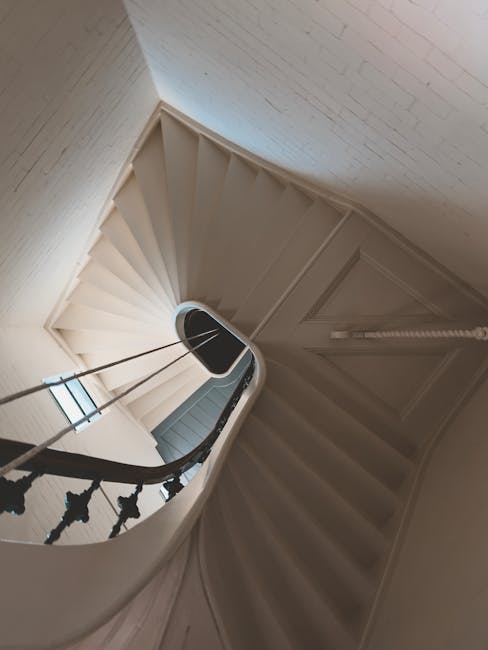
Victorian London homes are often admired for their character: tall ceilings, original railings, bay windows, and compact room layouts that feel full of history. The staircase, though, is where charm can quietly become a headache. Many of these houses have steep rises, narrow treads, tight turns, old banisters, and hallways that pinch just when you need space most. Moving a large item through that kind of route is not simply a matter of "giving it a push".
Why does it matter so much? Because staircase access affects three things at once: risk, time, and cost. A move that looks straightforward on paper can become slow and physically awkward if items cannot clear the stairs cleanly. That can lead to extra labour, the need for temporary dismantling, or in some cases alternative access methods. It also raises the chance of scuffs, chipped plaster, damaged railings, and strained backs. Nobody wants a beautiful Victorian hallway to end up with a new dent before the kettle is even plugged in.
There is also a human side to this. People are often moving in a hurry, juggling lift times, parking restrictions, access windows, neighbours, and the weather. A dark stairwell at 8am in winter, with dust in the air and no natural light on the landing, is not where you want to discover that the wardrobe is two centimetres too wide. Small measurement errors become big problems very quickly.
For property owners, tenants, landlords, and removals teams alike, recognising staircase access issues early helps prevent last-minute panic. It turns the move from reactive to planned, which is exactly where you want to be.
How Staircase Access Issues Work on Moving Day
Staircase access issues usually show up in one of four ways: the item is too wide, too tall, too heavy to carry safely, or too awkward to turn at the landing. Sometimes it is all four. The staircase itself may also have features that reduce usable space, such as wall-mounted radiators, low ceilings over the turn, narrow hallways at the base, or fragile decoration that limits how much contact you can risk.
On moving day, a professional team will typically assess the route before lifting anything substantial. That means checking:
- the width of the item at its widest point
- the staircase width at its narrowest point
- the height of the ceiling above landings and turns
- the turning radius on each landing
- obstructions such as handrails, light fittings, or picture ledges
- surface protection needs for banisters, floors, and walls
If the route is tight, movers may rotate the item in a specific way, remove doors from wardrobes, take legs off tables, or partially dismantle furniture. Sometimes they will use straps or extra hands to control angle and balance. Heavy appliances may need a more cautious lift, especially on steep stairs where the weight naturally pulls backwards. No one wants a fridge or sofa drifting towards the landing like it has ideas of its own.
In some Victorian homes, the staircase is not the only issue. The path from front door to staircase may also be narrow, especially in terraced properties where the hallway acts like a funnel. That is why measurements need to cover the whole route, not just the stairs themselves. A door frame can be the real problem, not the staircase at all.
When access is truly restricted, teams may need to explore alternative methods, such as moving items one by one in a different order, using external access where available, or separating dismantled parts for reassembly upstairs. The right approach depends on the property, the furniture, and the level of risk involved.
Key Benefits and Practical Advantages
Good staircase planning is not just about avoiding damage. It gives you practical control over the move. That sounds simple, but it matters more than people think.
The main benefits are:
- Fewer delays: the team knows which items need special handling before the van arrives.
- Lower damage risk: protected walls, rails, and floors reduce accidental scuffs.
- Safer lifting: a clear plan lowers the chance of slips, twists, or strained shoulders.
- More accurate quotes: measured access makes pricing more realistic.
- Less stress: you are not improvising at the worst possible moment.
There is another quiet advantage: you make better decisions about what to take. A bulky wardrobe that simply will not clear the stairs may be better sold, donated, or replaced than forced into place. That can save money and hassle. It is not defeat; it is good judgement.
In many Victorian homes, access planning also protects the character of the property. Original bannisters, decorated plaster, and period floorboards can be surprisingly delicate. A careful move respects the building as much as the belongings.
Expert summary: The earlier you assess staircase access, the easier it becomes to choose the right moving method, protect the property, and avoid avoidable costs. Measure first, move second. Simple, but effective.
Who This Is For and When It Makes Sense
This topic is relevant to a lot of people, and not just those moving from one Victorian terrace to another. If you live in or are moving into a period property, staircase access should be on your checklist from the start.
You will likely need this guidance if you are:
- moving into or out of a Victorian terrace, conversion, or maisonette
- carrying large furniture such as wardrobes, sofas, beds, or dining tables
- moving appliances upstairs or downstairs
- working around a narrow hallway, shallow landing, or steep flight of stairs
- trying to protect original features in a rented or owned property
- comparing removal options and want realistic expectations
It also makes sense if you are a landlord arranging turnover between tenants, an estate agent advising a buyer, or someone helping a relative downsize. Older London homes often have moving challenges that are easy to underestimate from a listing photo. The staircase looks fine in the brochure. On the day, not so much.
If you are not sure whether the stairs will be a problem, assume they might be until measured properly. That is the safer mindset. A small bit of caution now can prevent a lot of swearing later. Let's face it, no one enjoys carrying a three-seater sofa back down a stairwell after discovering the turn is too tight.
Step-by-Step Guidance
Here is a practical way to approach staircase access issues in Victorian London homes. This is the part that turns a vague concern into an actual plan.
- Measure the furniture and the route. Check width, depth, height, and any awkward protrusions like handles or feet. Then measure the staircase, landing, doors, and hallway.
- Identify the tightest point. Usually this is the turn on the stairs, but sometimes it is the front door, a ceiling slope, or a handrail that narrows the passage.
- Decide what can be dismantled. Remove legs, shelves, doors, mattress bases, or detachable fittings where safe and sensible.
- Plan the order of movement. Move the most difficult items first, while everyone is fresh and focused.
- Protect surfaces. Use floor coverings, corner guards, and wrapping for vulnerable furniture edges.
- Assign roles clearly. One person leads, one supports, and one watches clearance points. No muddled shouting on the stairs, if possible.
- Test the angle before committing. Many items need a slight tilt or rotation to clear a landing. Try the movement slowly.
- Have a fallback plan. If an item is not safe to move inside, stop and consider alternatives rather than forcing it.
A sensible move is usually a patient move. Rushing through a tight staircase is where mistakes start. You can hear it in the footsteps, honestly. That quick, scraping sound? Usually trouble.
Another useful habit is to photograph the staircase and the item beforehand. Not because you need a dramatic "before" shot, but because it helps identify pinch points and explain the layout to the removal team. Small detail, big payoff.
Expert Tips for Better Results
Once you understand the basics, a few practical habits can make a surprisingly large difference.
Measure with the packaging in mind
If an item is still boxed, the packaging may be the widest part. That catches people out all the time. Measure the real moving size, not just the product size in the catalogue.
Remove anything that creates extra bulk
Mirror doors, loose shelves, detachable handles, and bed feet are all minor obstacles that can become major ones on a narrow landing. Even a few centimetres matters.
Check lighting, not just dimensions
Victorian stairwells can be dim, especially in winter or on overcast days. Better lighting improves judgment and reduces awkward missteps. A torch or headlamp can be boring, yes, but very useful.
Protect the property before the first lift
Banisters, new paintwork, stair runners, and polished floorboards need protection early, not after the first scrape. Once a mark is there, it is there.
Schedule difficult items early in the day
If you are moving more than a few items, place the tricky furniture first in the plan. People are fresher, energy is higher, and decisions are sharper before the day gets messy.
One more thing: if a mover says a piece looks possible but risky, listen carefully. In our experience, a cautious second opinion is usually worth more than an optimistic guess. Not every piece of furniture is worth "just trying it".
Common Mistakes to Avoid
Most staircase access problems are manageable, but a few common mistakes keep causing avoidable trouble.
- Measuring only the room, not the route. A sofa may fit in the living room but still fail on the landing.
- Ignoring the turn. Straight stair measurements are not enough if the landing is tight.
- Forgetting the hallway. The narrowest part is often before the stairs begin.
- Assuming "it will squeeze through". That phrase causes more damage than people realise.
- Not checking load weight. Heavy items need controlled handling, not hopeful lifting.
- Skipping protection. Beautiful old features need care, even during a fast move.
- Leaving awkward items to the end. By then everyone is tired and less precise.
Another quiet mistake is not telling the removals team about the access issue until they arrive. That can leave them with too little time to adapt the method, and it may affect the final cost or schedule. No one enjoys surprise complications at the front door.
Be honest about what you are dealing with. A good moving plan depends on the truth, not wishful thinking.
Tools, Resources and Recommendations
You do not need specialist equipment for every Victorian move, but a few tools are genuinely useful when staircase access is tight.
| Tool or resource | Why it helps | Best use |
|---|---|---|
| Measuring tape | Confirms widths, heights, and clearances | Before quoting and before moving day |
| Furniture blankets | Protects surfaces from scuffs | On bannisters, walls, and bulky items |
| Corner guards | Reduces chips on tight turns | At landing edges and wall corners |
| Ratchet straps | Helps stabilise awkward loads | For larger items carried by a team |
| Basic dismantling tools | Removes legs, shelves, or fittings | Before attempting a difficult route |
| Property notes and photos | Improves planning and communication | When briefing the removals team |
For a smoother experience, it also helps to review a company's approach to trust and support pages. The pages on about us, insurance and safety, and accessibility information can give you a better sense of how seriously a provider treats care, access, and customer experience. If you have questions before the move, the contact page is the sensible next stop.
Law, Compliance, Standards, or Best Practice
For most household moves, the important point is not legal complexity but sensible risk management. That said, professional removals work should follow accepted UK best practice around manual handling, safe lifting, property protection, and insurance awareness. If a staircase is unusually narrow or steep, the team should assess the route and decide whether the move is safe to complete as planned.
In a Victorian property, compliance concerns may include:
- Manual handling safety: heavy or awkward loads should be handled with care and appropriate team numbers.
- Property protection: walls, floors, and decorative features should be safeguarded where possible.
- Insurance awareness: it is sensible to understand what cover applies if something is accidentally damaged.
- Fair communication: if access is more restricted than expected, the client should be told clearly and early.
It is also good practice to review the removal company's terms and conditions and complaints procedure before booking. That may sound dull, but it is far less dull than discovering a misunderstanding after move day. Practical documents matter.
Where pricing, deposits, or payment timing are concerned, a clear explanation of the company's payment and security page can help set expectations. And if you care about how discarded items and packing waste are handled, the recycling and sustainability page is worth a look. Even a tidy Victorian move leaves behind cardboard and wrapping, after all.
Options, Methods, or Comparison Table
There is no single "best" solution for staircase access issues. The right approach depends on the item, the staircase, and how much risk you are prepared to tolerate. Here is a useful comparison.
| Method | Best for | Advantages | Limitations |
|---|---|---|---|
| Careful carry through the stairs | Most standard furniture that just needs angle adjustment | Simple, direct, cost-efficient | Not suitable for very bulky or fragile items |
| Partial dismantling | Wardrobes, tables, bed frames, some shelving | Often solves width and turning problems | Takes time and may need reassembly |
| Team lift with straps | Heavy or awkward loads | Better control and stability | Requires coordination and space |
| Alternative access route | Properties with unusable internal stair access | May avoid internal damage | Not always available or practical |
| Replace or sell the item | Oversized furniture with low value or poor fit | Simplifies the move completely | Requires planning and might feel like a compromise |
In real life, the best outcome often combines methods. For example, a wardrobe may be dismantled, a sofa carried with extra hands, and a fragile mirror wrapped separately. That mix-and-match approach is normal. Actually, it is often the smartest option.
Case Study or Real-World Example
Consider a typical Victorian terrace in London with a narrow hallway, a steep staircase, and a tight turn onto the first-floor landing. A couple is moving in with a bed base, two wardrobes, a corner sofa, and a fridge-freezer. On first glance, everything seems fine. Then the measurements come out and the story changes a bit.
The bed base is manageable once the legs are removed. One wardrobe is too tall to turn cleanly but can be dismantled and carried in sections. The corner sofa is the biggest concern because of its shape, but by removing cushions, protecting the frame, and rotating it slowly at the landing, it clears with care. The fridge-freezer, however, is heavier than ideal for the stair angle, so the team plans that item first while everyone is fresh and the route is fully protected.
What made the difference? Three things: measurements, honesty, and sequence. The couple did not wait until the van arrived to find out there was a problem. They measured the route in daylight, took photos, and accepted that one item might need a different solution. The move still took time, but it stayed controlled and damage-free. That is usually the real win.
There was a small moment, too, that happens in these jobs all the time: a pause halfway up the stairs, a quiet look at the landing, and then a careful rotation that just barely works. It is one of those moving-day moments where everyone exhales at once. Not glamorous, but very satisfying.
Practical Checklist
Use this checklist before moving day if staircase access might be an issue.
- Measure every large item, including handles, feet, and packaging
- Measure the narrowest points on the staircase route
- Check the front door, hallway, landings, and ceiling height
- Identify items that can be dismantled safely
- Protect walls, bannisters, floors, and corners
- Tell the removals team about any tight access in advance
- Set aside tools for quick adjustments
- Plan difficult items first, not last
- Review insurance and safety details before booking
- Keep pathways clear of shoes, bags, and loose clutter
- Have a backup plan for anything too large or too risky
Practical takeaway: if you do nothing else, measure the route properly and communicate the problem early. That one habit alone prevents a lot of pain.
Conclusion
Victorian London homes have character in abundance, but staircase access issues are part of the package. Narrow stairs, tight landings, and tricky turns can turn a normal move into a careful logistical exercise. The key is not to panic. It is to plan.
When you measure properly, speak honestly about the access, protect the property, and choose the right method for each item, the move becomes far more manageable. Sometimes that means dismantling furniture. Sometimes it means changing the order of the load. Occasionally it means deciding an item is not worth the struggle. All of that is normal. All of it is sensible.
If you are preparing for a move in a Victorian home, take the staircase seriously from the start. It will save time, reduce risk, and make the whole day feel calmer. And after all, calmer is good.
Get a free quote today and see how much you can save.
If you are ready to take the next step, it can help to check the team's pricing and quotes page and then reach out through the contact page with a few photos and measurements. That little bit of detail makes planning much easier.
Frequently Asked Questions
What are staircase access issues in Victorian London homes?
They are the practical problems caused by narrow, steep, or awkward staircases when moving furniture or appliances in and out of a Victorian property. The issue is usually about clearance, turning space, or safe lifting.
Why are Victorian staircases harder for moving house?
Many Victorian homes have steeper stairs, tighter landings, and narrower hallways than modern properties. They can look perfectly fine for everyday use, but large furniture often needs more room than the staircase provides.
How do I know if my sofa will fit up the stairs?
Measure the sofa at its widest and tallest points, then measure the narrowest stair width, landing space, and any turns. If the numbers are close, assume the item may need to be rotated, dismantled, or handled differently.
Should I dismantle furniture before moving in a Victorian house?
Often, yes, especially for wardrobes, bed frames, tables, and modular storage. Dismantling can make the difference between a smooth carry and a stressful one. Just make sure the pieces can be reassembled safely afterwards.
Can a removals team move items if the staircase is very tight?
Sometimes they can, but it depends on the item, weight, access route, and risk level. A good team will assess the stairs, discuss options, and avoid forcing anything that could damage the property or the item.
What should I measure before moving day?
Measure the furniture, the doorway, the hallway, the staircase width, landing depth, ceiling height near the turn, and any fixed obstacles like radiators or handrails. The route matters as much as the item.
Are there extra costs for difficult staircase access?
There can be, depending on the time required, the number of movers needed, and whether dismantling or special handling is involved. This is why clear access information helps produce a more accurate quote.
What if my furniture will not fit through the staircase at all?
Then you may need to dismantle it, use an alternative route if available, or decide not to move it. It is frustrating, but forcing a bad fit is rarely worth the damage risk.
How can I protect the walls and banisters during the move?
Use floor protection, corner guards, blankets, and careful handling on narrow turns. It also helps to clear the staircase completely and avoid rushing. Even a small bump can leave a mark on older plaster or woodwork.
Is it worth getting a quote before I measure everything?
It is better to measure first if you can, because that makes the quote more reliable. If you need to ask for an initial estimate early, follow up with exact measurements and photos as soon as possible.
What should I tell the removals company about my staircase?
Tell them the staircase width, the tightest turn, any low ceilings, fragile surfaces, awkward access from the front door, and whether any items need dismantling. The more honest and specific you are, the better they can plan.
Where can I check a company's safety and complaints information?
Look for pages such as health and safety policy, insurance and safety, and complaints procedure. Those pages help you understand how the company handles risk, responsibility, and customer issues.